Energy

CoTide, EPSRC and Energy

UK Energy Security and Net Zero
In our current climate, the UK needs energy security. The UK benefits from an alternative energy-infrastructure to fossil fuels. CoTide directly contributes to the government’s goal of UK Net Zero by 2050. CoTide also offers the UK a clean, limitless, energy system enabling the UK to become a world-leading superpower in renewable energy.

Why CoTide matters
The UK has some of the strongest tidal resources in the world, and tidal power could play a role in reaching national net-zero emissions targets by 2050.
If successfully developed, tidal stream energy in the UK could potentially generate over 6 GW of electricity, enough to power millions of homes.
The CoTide project is about designing better tidal turbines and systems so tidal energy can become a practical, large-scale source of renewable electricity.

VIDEO BY: The Department for Energy Security and Net Zero


Why EPSRC is important
EPSRC helps the UK:
- Develop new technologies and industries
- Maintain global scientific leadership
- Train the next generation of engineers and scientists
- Address major challenges like clean energy, AI, healthcare technology, and climate change
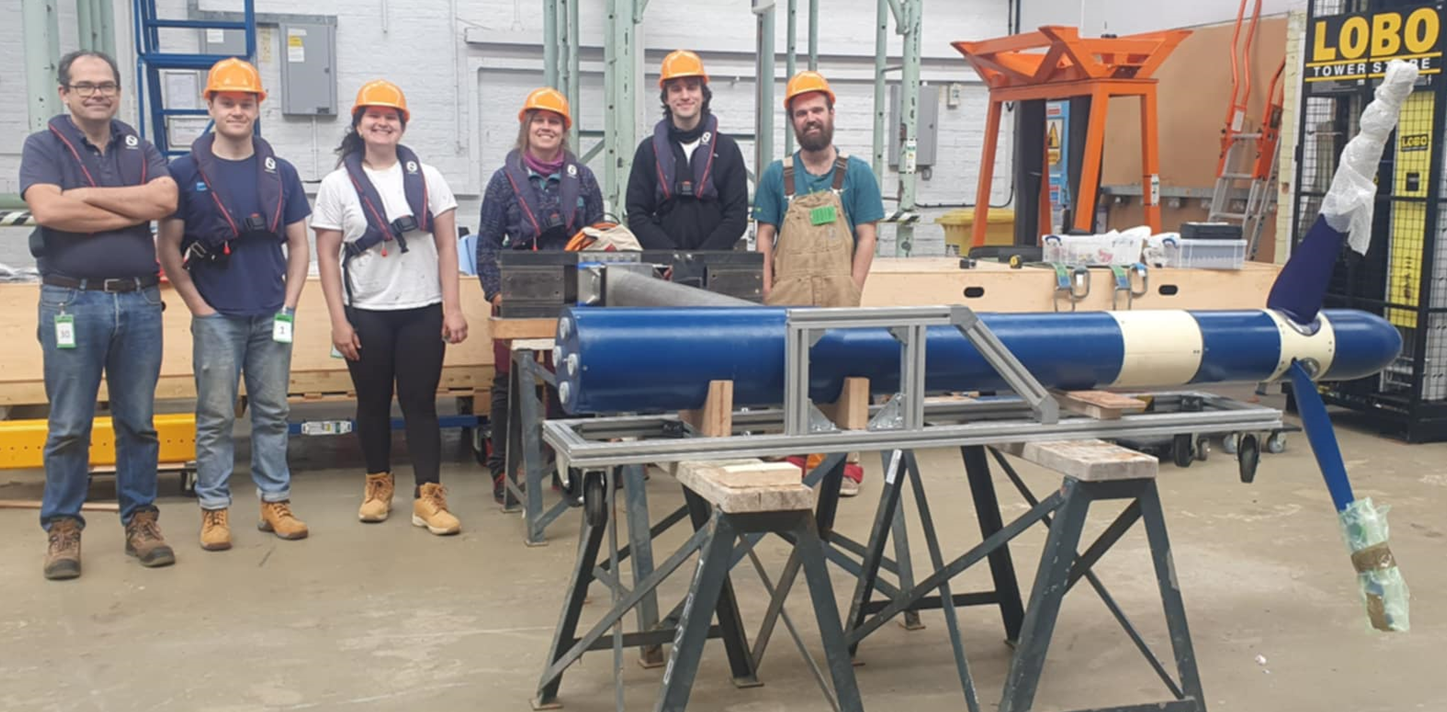
These types of images are often used in EPSRC advertising or outreach because they show:
- Scientists working in laboratories
- Advanced engineering equipment
- Real-world research activity
They represent the fields that EPSRC funds, including:
- Clean energy
- Robotics
- Advanced materials
- Artificial intelligence
- Manufacturing and engineering innovation.
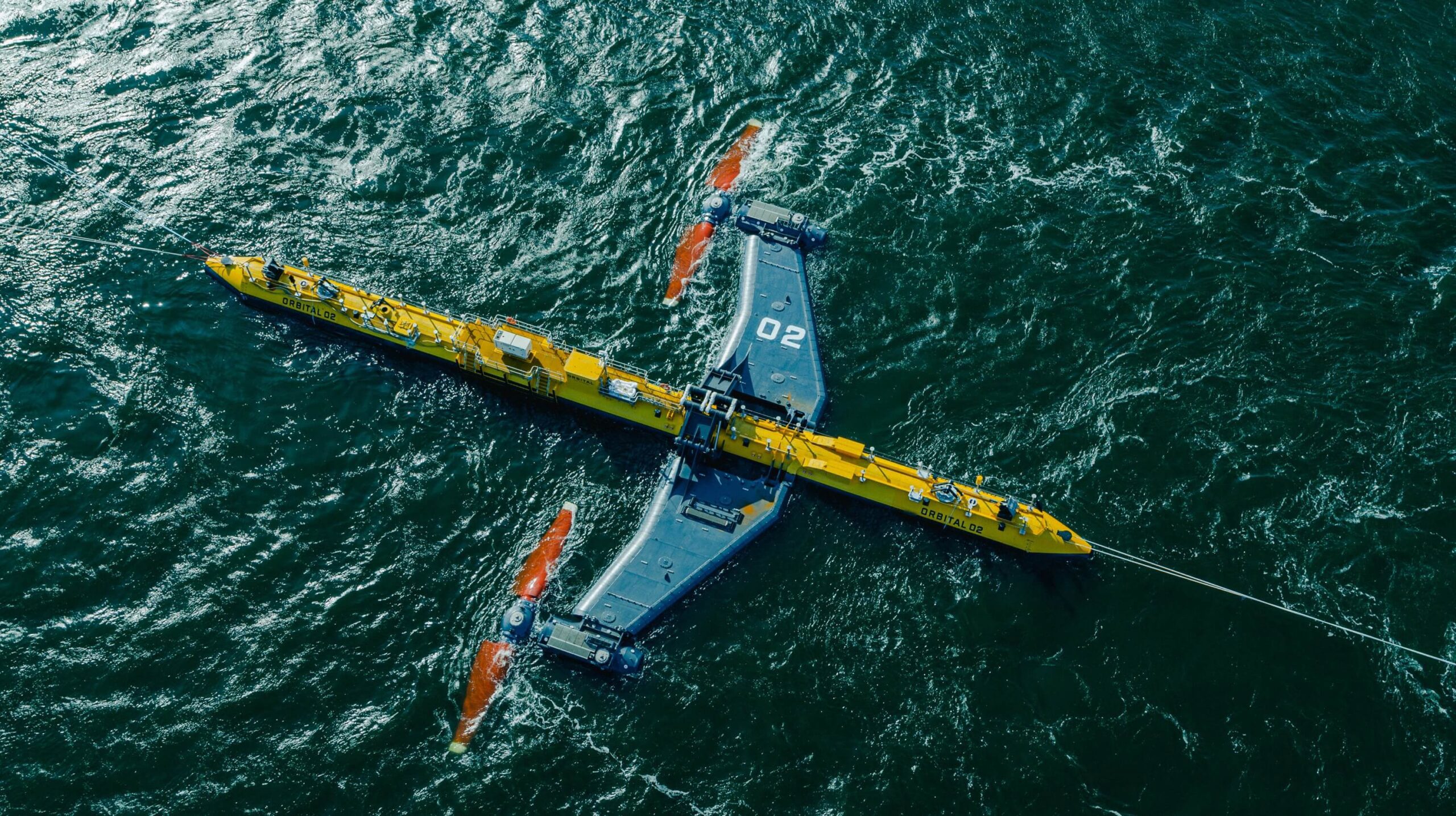
Orbital's O2: World’s Most Powerful Tidal Turbine
What is tidal turbine technology about?
Tidal turbine technology is a method of generating electricity from the movement of ocean tides. It works in a similar way to a wind turbine—but instead of wind turning the blades, underwater tidal currents spin the turbine to produce power.
It is a key technology within the broader concept of tidal energy, which harnesses the natural rise and fall of the sea caused by the gravitational pull of the Moon and Sun (a form of Tidal Energy).
How tidal turbines work
1. Tides create strong underwater currents as water flows in and out of coastal areas.
2. Submerged turbines are placed in these fast-moving tidal streams.
3. The moving water spins the blades, similar to a wind turbine.
4. The rotating blades turn a generator, producing electricity.
5. Power is sent to shore through subsea cables.
Because seawater is much denser than air, tidal turbines can generate significant power even with slower flow speeds compared to wind turbines.
Where tidal turbines are installed
They are usually placed in:
• Narrow straits or channels
• Coastal areas with strong tidal flows
• Sea floors anchored to foundations or floating platforms
One of the world's main testing locations is the European Marine Energy Centre in Orkney, Scotland, where many tidal energy devices are trialled.
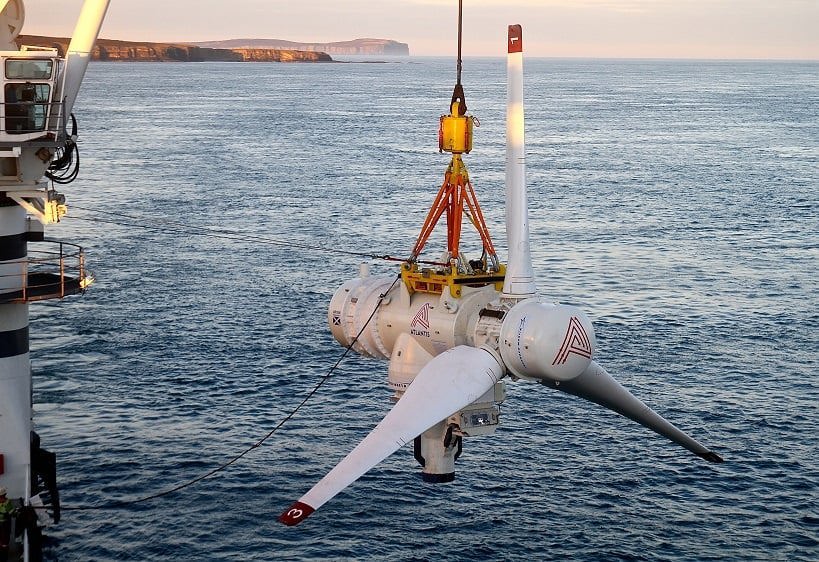
A major commercial project is MeyGen tidal stream project in Scotland, one of the largest tidal turbine arrays in the world.
Meygen Tidal Turbine
Advantages of tidal turbine technology
Predictable energy
Tides follow precise astronomical cycles, making tidal power more predictable than wind or solar.
Renewable and low emissions
It produces electricity without burning fossil fuels.
High energy density
Water’s density means more energy can be extracted from smaller turbines.
Challenges
High installation costs
Underwater construction and maintenance are expensive.
Environmental concerns
Possible effects on marine ecosystems need careful study.
Limited locations
Only certain coastal areas have strong enough tidal currents.
Testing clean energy technology